
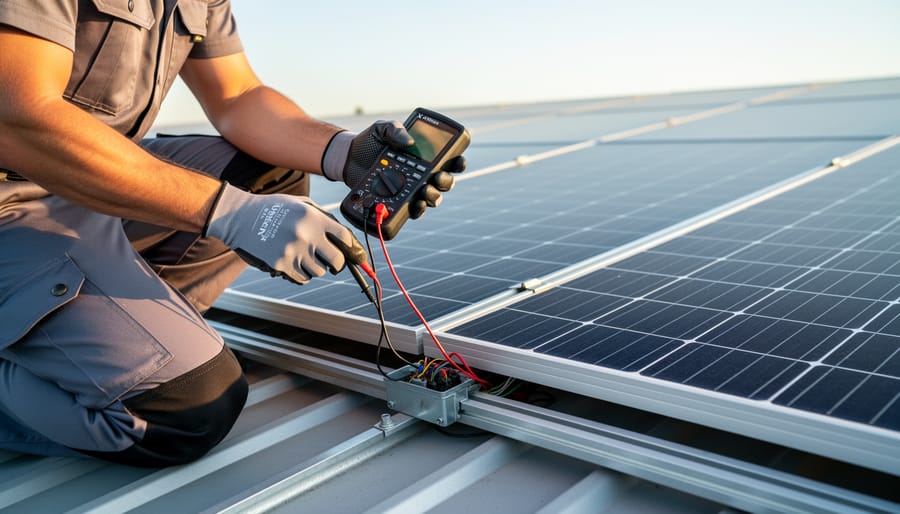
X Series Service Tools are specialized diagnostic and maintenance instruments designed to keep solar panel systems operating at peak efficiency, and choosing the right one depends on whether you’re performing routine inspections, troubleshooting electrical issues, or conducting performance analysis. For most homeowners, a basic thermal imaging camera paired with a multimeter covers 80% of maintenance needs. Professional installers and contractors typically require a more comprehensive toolkit including IV curve tracers, insulation resistance testers, and panel-specific diagnostic software.
Solar systems are long-term investments that can produce clean energy for 25 years or more, but only if they’re properly maintained. That’s where the X Series comes in. These tools help you spot problems before they become expensive failures: a single undetected micro-crack or connection issue can reduce your system’s output by 15-20%, costing hundreds in lost energy production each year.
The challenge? The market offers dozens of options at wildly different price points, from $50 handheld meters to $5,000 professional diagnostic suites. Many homeowners end up either buying tools they’ll never use or skipping essential equipment that would catch problems early.
This guide cuts through the confusion. We’ll walk you through the key factors that determine which tools you actually need based on your system size, technical comfort level, and maintenance goals. You’ll see direct comparisons between tool categories, learn which scenarios call for which instruments, and discover the most common purchasing mistakes that waste money without improving system performance.
Whether you’re a homeowner who wants to monitor your own installation or a professional installer building out your service van, you’ll finish this guide knowing exactly which X Series tools belong in your kit and which ones you can safely skip.
What Are X Series Service Tools and Why They Matter
X Series service tools represent a specialized category within the Solar Master Series Security Tools lineup, purpose-built for maintaining, diagnosing, and troubleshooting solar installations. While standard electrical tools might seem adequate for basic tasks, solar systems operate under unique conditions that demand equipment designed specifically for photovoltaic applications. These tools handle the distinct voltage characteristics, environmental exposure, and safety requirements inherent to solar daylighting systems and solar-powered attic fans.
The fundamental difference lies in how these tools address solar-specific challenges. Standard multimeters, for instance, measure household AC current but may not accurately read the DC voltage patterns produced by solar panels. X Series diagnostic tools account for variable sunlight conditions, temperature fluctuations throughout the day, and the unique electrical signatures of solar equipment. They’re calibrated to detect issues like partial shading effects, cell degradation, and connection resistance problems that standard tools simply weren’t designed to identify.
Safety represents perhaps the most compelling reason to choose specialized equipment. Solar installations generate DC power that behaves differently than the AC electricity in your home, it doesn’t “let go” when you receive a shock, and it maintains voltage even when disconnected from the grid. X Series tools incorporate proper insulation ratings, reverse polarity protection, and voltage-specific safety features that generic electrical tools lack. Working on a solar skylight or attic fan without appropriate equipment risks both personal injury and system damage.
Beyond safety, these tools deliver accuracy that matters for long-term system health. A poorly calibrated standard tool might miss a 5% voltage drop that signals corroding connections or failing cells. Over months, that small inefficiency compounds into significant energy loss and potential equipment failure. X Series tools catch problems early, when they’re inexpensive to fix, rather than after they’ve cascaded into major repairs.
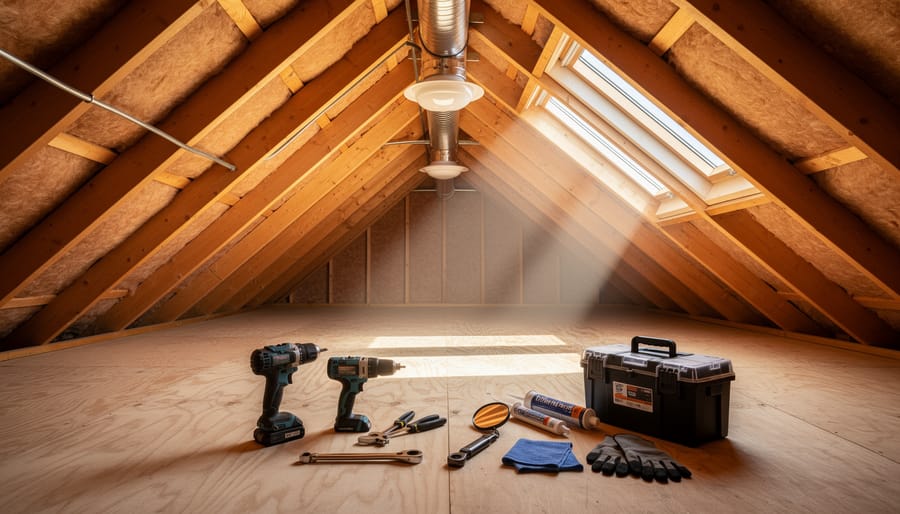
Key Factors to Consider When Choosing X Series Service Tools
Compatibility with Your Solar System
Before investing in any X Series service tool, you need to confirm it’s compatible with your specific solar installation. Start by checking your system’s voltage specifications. Most residential solar daylighting systems operate at 12V or 24V, while some commercial installations run higher voltages. Your service tools must be rated to safely handle these voltage ranges without risk of damage or inaccurate readings.
Connection types matter just as much. Solar attic fans typically use standard DC connectors, but tube skylights and daylighting systems may have proprietary connections depending on the manufacturer. Review your equipment manuals to identify the exact connector styles before purchasing tools. This step prevents the frustration of buying equipment that physically won’t interface with your system.
Different solar products require different measurement capabilities. A tool that works perfectly for rooftop panels in an essential tools master set might not suit the lower-voltage systems used in solar shingles vs panels installations or tube daylighting.
To verify compatibility, cross-reference three key specifications: voltage range, current capacity, and connection compatibility. Reputable X Series tools list these clearly on their packaging or specification sheets. When in doubt, contact the manufacturer with your solar system model number for confirmation before purchasing.
Safety Features and Certifications
When working with solar electrical systems, safety features aren’t just nice to have, they’re essential for protecting yourself and your equipment. Even though solar installations typically operate at lower voltages than your home’s main electrical system, they can still deliver dangerous shocks if you’re using inadequately protected tools.
Look for X Series service tools with proper insulation ratings, typically rated for at least 600V or higher. This rating indicates the tool can safely handle the electrical loads in solar systems without conducting current to your hands. Double-insulated handles with non-conductive materials provide a critical barrier between you and live circuits.
Certification marks matter significantly. Reputable X Series tools carry certifications from recognized testing organizations like UL (Underwriters Laboratories) or ETL (Electrical Testing Labs), confirming they meet strict safety standards. Some tools also feature CAT ratings (Category II or III), which indicate they’re tested for specific electrical environments and transient voltage protection.
Protective features like built-in fuses, overload protection, and automatic shut-off mechanisms add extra safety layers. For homeowners performing basic maintenance, these features provide peace of mind by limiting the consequences of accidental contact or measurement errors. Some advanced X Series diagnostic tools include audible or visual warnings when they detect hazardous voltage levels, giving you immediate feedback before you proceed with testing or adjustments.
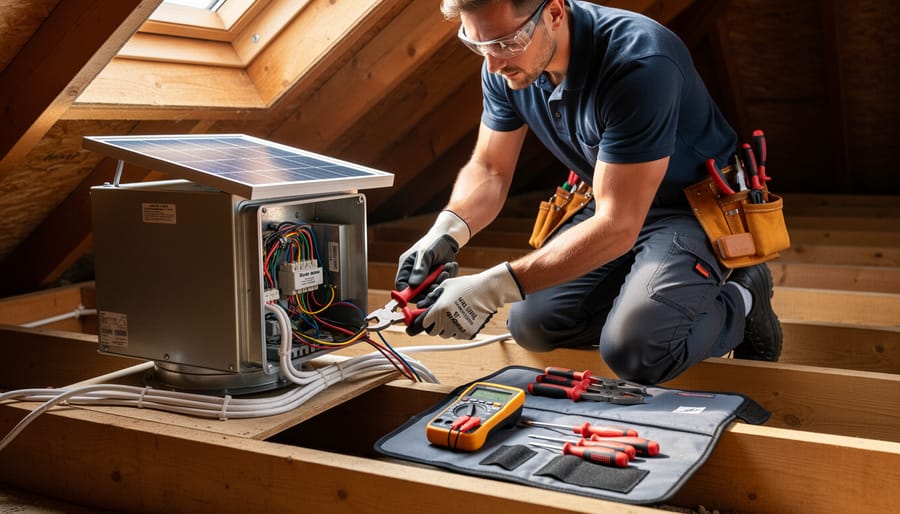
Durability and Weather Resistance
Solar installations live outdoors, exposed to sun, rain, temperature swings, and humidity, so your service tools need to handle the same conditions. Standard workshop tools aren’t built for this environment and will corrode, crack, or fail when stored near rooftop equipment or used in harsh weather.
Look for tools with IP (Ingress Protection) ratings of at least IP65, which means they’re dust-tight and protected against water jets. Housings made from reinforced ABS plastic or rubberized materials resist UV degradation better than bare metal, which can rust after a few rainy seasons. Metal components should be stainless steel or have corrosion-resistant coatings.
Weather-resistant tools last five to ten years longer than indoor-only alternatives, making them more cost-effective despite higher upfront prices. They also maintain accuracy, moisture infiltration throws off multimeter readings and can create dangerous false negatives during safety checks.
Check seals around battery compartments and connection ports. Tools that fog up internally after morning dew exposure lose reliability fast. If you’re maintaining solar equipment in coastal areas or high-humidity climates, weather resistance becomes even more critical for both tool longevity and measurement precision.
Ease of Use and Learning Curve
When shopping for X Series service tools, consider how comfortable you’ll feel actually using them. If you’re a homeowner maintaining your own solar daylighting system or attic fan, prioritize tools with clear instructions and intuitive interfaces. Digital multimeters with backlit displays and auto-ranging features eliminate guesswork, you simply attach the probes and read the result. Analog tools require interpreting needle positions and manually selecting voltage ranges, which takes practice but works fine once you’re familiar with them.
Professional installers who use these tools daily may prefer analog models for their reliability and faster response times. Homeowners handling occasional maintenance typically benefit more from digital tools that display precise readings in plain numbers. The difference isn’t just about complexity, it’s about how often you’ll use the tool and whether you’ll remember the proper techniques between uses.
Check what instructional support comes with your tools. Quality X Series equipment includes quick-start guides, safety protocols, and troubleshooting flowcharts. Some manufacturers offer video tutorials showing exactly how to test solar connections or diagnose common issues. This support matters tremendously when you’re standing on a roof trying to figure out why your solar skylight isn’t charging properly.
Think about physical ergonomics too. Lightweight tools with rubberized grips reduce fatigue during longer maintenance sessions, while compact designs fit easily in rooftop toolkits. Choose equipment that matches both your technical comfort level and how you’ll actually work with it.
Types of X Series Service Tools Compared
Diagnostic and Testing Tools
Diagnostic and testing tools form the technical backbone of solar system maintenance, helping you identify electrical issues before they escalate into costly failures. A quality digital multimeter specifically rated for solar applications (typically 600V DC minimum) measures voltage, current, and resistance across your system’s components. These meters differ from standard household versions because solar installations generate DC power that requires specialized measurement capabilities. Look for models with CAT III or CAT IV safety ratings and insulated probes designed for photovoltaic work.
Voltage testers offer a simpler, safer option for quick system checks without complex readings. Non-contact voltage detectors can verify whether panels are generating power without direct electrical connection, while two-probe testers confirm proper voltage at connection points. For comprehensive troubleshooting, clamp meters measure current flow without breaking circuit connections, particularly useful when diagnosing underperforming solar attic fans or daylighting system motors.
System diagnostic equipment, including specialized solar analyzers, can pinpoint issues like shading losses, panel degradation, or wiring faults that basic solar installation tools might miss. While homeowners typically need only a reliable multimeter and basic voltage tester for routine monitoring, professional installers benefit from investing in advanced diagnostic equipment that speeds up troubleshooting across multiple client systems.
Maintenance and Cleaning Tools
Keeping your solar installation performing at its peak requires the right cleaning and maintenance equipment. X Series maintenance tools are specifically designed for the unique demands of solar daylighting systems and attic fans, where standard household cleaning supplies often fall short.
Specialized cleaning equipment forms the foundation of your maintenance toolkit. Soft-bristle brushes with extended handles let you safely reach solar tubes and skylights without risking scratches on light-gathering surfaces. Microfiber applicators paired with pH-neutral cleaning solutions remove dust, pollen, and debris without leaving residue that could reduce light transmission. For exterior panels, squeegees with rubber blades prevent streaking while water-fed poles enable ground-level cleaning of roof-mounted components.
Panel inspection tools help you catch problems before they worsen. Moisture detection pens identify seal failures around solar tubes, while handheld mirrors with LED illumination let you examine hard-to-see joints and connections. Thermal leak detectors spot insulation gaps that compromise your attic fan’s efficiency.
Routine maintenance instruments round out your arsenal. Torque wrenches ensure fasteners remain properly tightened without over-stressing mounting hardware, while wire brushes clean electrical connections prone to oxidation in outdoor environments. Lubrication applicators with precision tips maintain moving parts in solar attic fan motors without contaminating nearby surfaces.
Installation and Adjustment Tools
Solar installations require precise mechanical connections and careful adjustments to function safely and efficiently. The right installation and adjustment tools ensure your panels, brackets, and electrical connections meet manufacturer specifications without risking damage to sensitive components.
Torque wrenches are essential for solar work because over-tightening can crack mounting brackets or damage aluminum frames, while under-tightening creates loose connections that fail over time. X Series torque wrenches designed for solar applications typically range from 10 to 50 foot-pounds, with click-type mechanisms that prevent over-torquing. Look for models with both metric and imperial scales, as solar hardware often uses both measurement systems.
Connection tools specific to solar systems include MC4 connector wrenches for safely disconnecting and reconnecting panel wiring without damaging weatherproof seals. Standard pliers can deform these connectors, leading to water intrusion and system failures. Proper MC4 tools feature curved jaws that match connector shapes and built-in release mechanisms.
Adjustment equipment covers angle finders and leveling tools calibrated for optimizing panel tilt. Even small deviations from optimal positioning can reduce energy output by 10-15%. Digital angle finders with magnetic bases simplify seasonal adjustments for homeowners maximizing their solar harvest throughout the year.
These tools pay for themselves by preventing costly repairs from improper installation and ensuring your solar system delivers its full energy potential from day one.
Recommendations: Matching Tools to Your Needs
For Homeowners with Solar Daylighting Systems
For homeowners with solar daylighting systems like solar skylights and tube installations, you don’t need an extensive tool collection. Focus on three essentials that make maintenance straightforward and safe.
A basic digital multimeter rated for DC voltage testing is your first priority. Look for one with clear LCD displays and automatic ranging, you’ll use this to verify your system’s electrical connections stay within normal operating parameters. Choose a model with at least CAT III 600V rating for adequate safety margin.
Next, invest in a non-contact voltage tester. These pen-style tools let you check whether circuits are live before touching any components, adding a crucial safety layer for homeowners unfamiliar with solar electrical work.
Finally, get a soft-bristle extension brush specifically designed for skylight cleaning. Standard cleaning tools can scratch protective coatings on solar tubes and dome surfaces, reducing light transmission over time.
Skip complex diagnostic equipment, that’s installer territory. These three tools handle 90% of typical homeowner needs: quarterly performance checks, pre-winter inspections, and routine cleaning. They’re intuitive enough that you won’t need extensive training, yet sufficient to catch issues before they require professional intervention.
For Solar Attic Fan Owners
Solar attic fans require a different maintenance approach than daylighting systems, and your tool selection should reflect that focus on motorized components and airflow verification. Start with a basic multimeter capable of testing DC voltage and current draw, this lets you verify your fan’s power generation and motor performance without climbing onto the roof every time. A non-contact infrared thermometer helps you monitor motor temperature during operation, catching potential bearing failures before they become expensive replacements.
For routine maintenance, you’ll want a soft-bristle brush and compressed air canister to keep the solar panel and fan blades clean. Dust accumulation reduces both power generation and airflow efficiency by up to 25%. A simple anemometer (airflow meter) confirms your fan is moving the advertised cubic feet per minute, helping you determine whether poor ventilation stems from the fan itself or inadequate attic insulation.
Most attic fan issues trace back to loose wiring connections or corroded terminals. Add a wire stripper, terminal cleaning brush, and dielectric grease to your kit. These inexpensive items prevent most electrical problems and take minutes to use during annual checkups. Skip expensive thermal imaging cameras and oscilloscopes, they’re overkill for residential attic fan maintenance.
For Professional Installers and Contractors
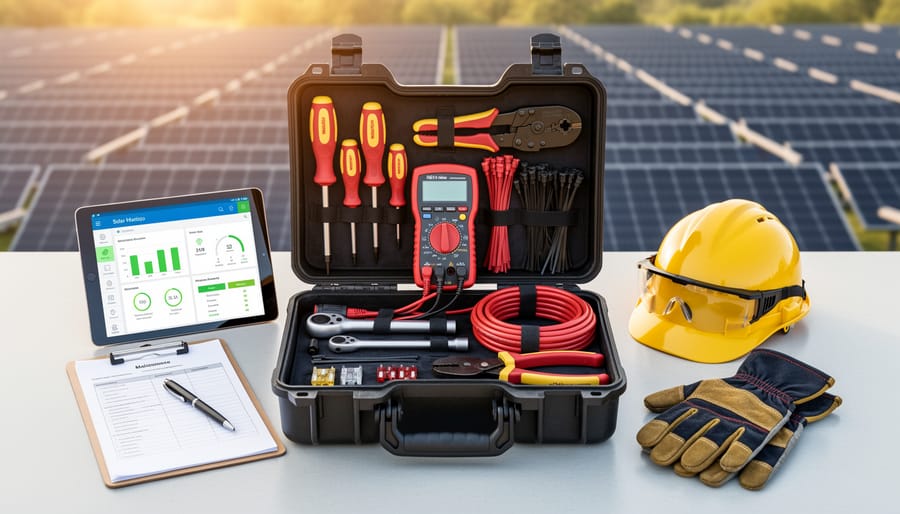
For professional installers and contractors servicing multiple solar installations daily, a comprehensive X Series toolkit becomes an essential business investment rather than an optional convenience. Your installer tool kit should include a complete diagnostic suite, a high-end multimeter with data logging capabilities, thermal imaging camera for quick panel assessments, and an insulation resistance tester rated for at least 1000V. Add specialized torque wrenches calibrated to solar mounting specifications, since improper connection tension causes many field failures. Heavy-duty wire strippers designed for outdoor-rated solar cables, a professional-grade crimping tool set, and a digital clamp meter round out the core equipment. Consider tools with interchangeable measurement modules to handle various system voltages and configurations without carrying duplicate devices.
The initial investment runs higher, expect $2,000 to $4,000 for a professional-grade complete set, but the efficiency gains and diagnostic accuracy pay dividends across dozens of installations. Look for manufacturer certification programs that include tool training, as many solar equipment makers now require documented proof of proper testing equipment for warranty work. Battery-powered tools eliminate extension cord hassles on rooftops, while ruggedized carrying cases protect your investment between job sites and survive the inevitable drops that come with fieldwork.
Common Mistakes to Avoid When Buying Solar Service Tools
Choosing Standard Tools for Solar Applications
Using regular household electrical tools on solar installations might seem like a cost-saving measure, but it creates serious safety hazards and potential system damage. Standard tools typically lack the proper voltage ratings needed for DC solar systems, which operate differently from AC household circuits. A basic multimeter designed for home electrical work may not handle the sustained DC loads from solar panels, leading to inaccurate readings or tool failure at critical moments.
The risks extend beyond equipment damage. General-purpose tools often miss the insulation ratings required for outdoor solar work, exposing you to electric shock when moisture is present. They also lack the specific connection interfaces that solar systems use, forcing improvised connections that compromise both safety and diagnostic accuracy.
Most critically, standard tools can’t detect the unique failure modes in solar equipment. A conventional voltage tester might show power is present but miss irregular current flows that indicate panel degradation or connection problems. These hidden issues worsen over time, reducing system efficiency and potentially creating fire hazards. Invest in solar-specific tools rated for DC systems and outdoor use rather than adapting tools designed for completely different applications.
Overlooking Warranty and Support
When evaluating X Series service tools, it’s tempting to focus solely on upfront cost and features. However, skipping the warranty fine print often proves costly. A comprehensive warranty signals manufacturer confidence in their product’s durability and protects your investment if components fail during normal use.
Equally important is replacement parts availability. Solar equipment can last 25 years, and your service tools should maintain functionality throughout that lifespan. Verify that the manufacturer stocks replacement batteries, probes, cables, and calibration components. Tools with proprietary parts that become discontinued can turn into expensive paperweights.
Technical support access matters more than you might expect, especially if you’re new to solar system maintenance. Before purchasing, test the manufacturer’s support channels. Can you reach a knowledgeable representative quickly? Do they provide detailed troubleshooting guides or video tutorials? Some manufacturers offer lifetime technical assistance, while others limit support to the warranty period. This ongoing access can mean the difference between confidently maintaining your solar installation yourself and requiring costly professional service calls for basic tasks.
Buying More Tool Than You Need
Many homeowners fall into the trap of purchasing professional-grade X Series tool kits when a few basic pieces would serve them perfectly well. If you’re simply maintaining a residential solar daylighting system or attic fan, you don’t need a comprehensive diagnostic suite designed for commercial installations.
Start by honestly assessing your actual maintenance tasks. Most homeowners need only a quality multimeter, basic cleaning tools, and perhaps a torque wrench for occasional adjustments. Professional installers servicing multiple properties daily justify the investment in advanced diagnostic equipment and specialized testing tools, but weekend maintenance doesn’t require that level of sophistication.
Consider the frequency of use too. Tools sitting unused in a garage for months at a time represent wasted money. Instead, focus on versatile, multi-purpose tools that cover your specific solar system’s requirements. You can always add specialized equipment later if your needs expand. Remember, the right tool beats the most expensive tool every time.
Frequently Asked Questions About X Series Service Tools
Choosing and using specialized service tools for your solar installation often raises practical questions. Below are answers to the most common concerns homeowners and installers have about X Series service tools.
Do I really need specialized X Series tools, or can I use my regular electrical tools?
Regular electrical tools lack the insulation ratings and voltage specifications required for safely working with solar systems. X Series tools are specifically designed for the unique demands of solar installations, providing proper safety margins and compatibility that standard tools cannot offer.
How often should I use diagnostic tools to check my solar system?
For homeowners, checking your system twice yearly, typically in spring and fall, catches most potential issues before they become serious. Professional installers should verify system performance after installation and whenever troubleshooting performance concerns.
Are X Series tools compatible with all solar daylighting and attic fan brands?
Most X Series tools work with standard solar system voltages and connections, but you should verify compatibility with your specific equipment voltage and connection type before purchasing. Check your system specifications against tool ratings to ensure a proper match.
What safety certifications should I look for when buying these tools?
Look for tools with proper insulation ratings for your system voltage and certifications from recognized testing organizations. These certifications confirm the tools meet safety standards for electrical work on solar installations.
Can I damage my solar system by using the wrong service tools?
Yes, using incompatible or improperly rated tools can damage sensitive solar components, void warranties, or create safety hazards. Always match tool specifications to your system requirements.
Where can I find instructions for using X Series service tools if I’m new to solar maintenance?
Most X Series tools come with detailed user manuals, and many manufacturers offer online video tutorials and support resources. Start with basic diagnostic tools and simple maintenance tasks before progressing to more complex procedures.
These questions reflect the learning curve many people face when maintaining their solar installations. The good news is that once you understand your specific system requirements and select appropriate tools, routine maintenance becomes straightforward. If you encounter a question not covered here, consult your solar system documentation or reach out to the manufacturer’s support team before attempting any work. Proper tool selection protects both your investment in sustainable energy and your personal safety during maintenance tasks.
Choosing the right X Series service tools isn’t just about keeping your solar installation running, it’s about protecting a long-term investment in sustainable energy. When you select tools matched to your specific system, whether it’s solar daylighting or attic ventilation, you’re ensuring that your equipment delivers peak performance for years to come.
The key considerations we’ve explored, compatibility, safety features, durability, and ease of use, form the foundation of a smart buying decision. Homeowners need different tools than professional installers, and understanding that distinction saves both money and frustration. Remember that properly maintained solar systems last longer, perform better, and contribute more significantly to reducing your environmental footprint.
Investing in quality service tools means fewer emergency repairs, extended equipment life, and continued energy savings. Each time you clean a solar panel, test a connection, or adjust a component with the right tool, you’re maximizing the sustainability benefits that drew you to solar technology in the first place.
Take time to assess your specific needs based on your system type and maintenance comfort level. The Solar Master Series Security Tools lineup offers customization options designed to match different installation profiles and user experience levels. Whether you’re maintaining a single solar skylight or managing multiple solar attic fans, there’s a tool configuration that fits your situation perfectly. Your solar investment deserves equipment that supports its mission, clean, renewable energy for a healthier planet.