
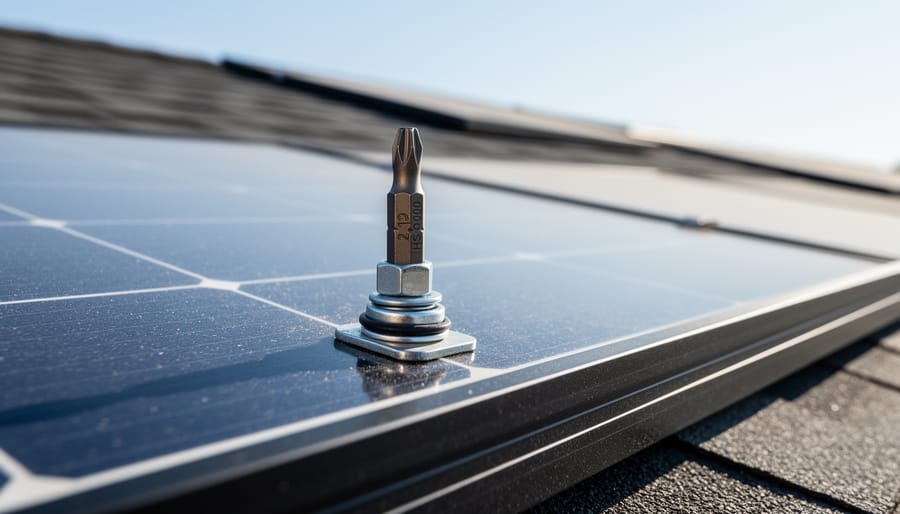
The HS1000 Solar Master Series Security Tool is a specialized wrench designed to prevent unauthorized removal of solar panels, providing essential theft protection for residential and commercial photovoltaic installations. If you’re securing a rooftop solar array worth thousands of dollars, this tool offers a simple, effective lock-and-key system that deters tampering while allowing you to maintain full access for cleaning, repairs, and system monitoring.
Solar panel theft has become a growing concern as installations have surged in recent years, particularly in areas where arrays are visible and accessible from flat or low-slope roofs. The HS1000 addresses this vulnerability through tamper-resistant fasteners that require a proprietary bit to remove. Think of it as a security system for your hardware: would-be thieves can’t simply unbolt panels with standard tools, making your system far less attractive as a target compared to unsecured installations down the street.
What makes this tool particularly relevant for homeowners and contractors is its balance between security and convenience. Unlike permanent bonding methods or alarm-based systems that add complexity and cost, the HS1000 works with existing mounting hardware and doesn’t require electrical connections or monitoring fees. You’re protecting your solar investment protection at the hardware level, which often proves more reliable than reactive security measures.
This guide walks you through everything that matters when choosing security tools for solar installations: the key factors that separate effective solutions from marketing hype, how the HS1000 compares to alternative security methods, and the common mistakes buyers make when trying to protect their solar assets.
What Makes the HS1000 Different
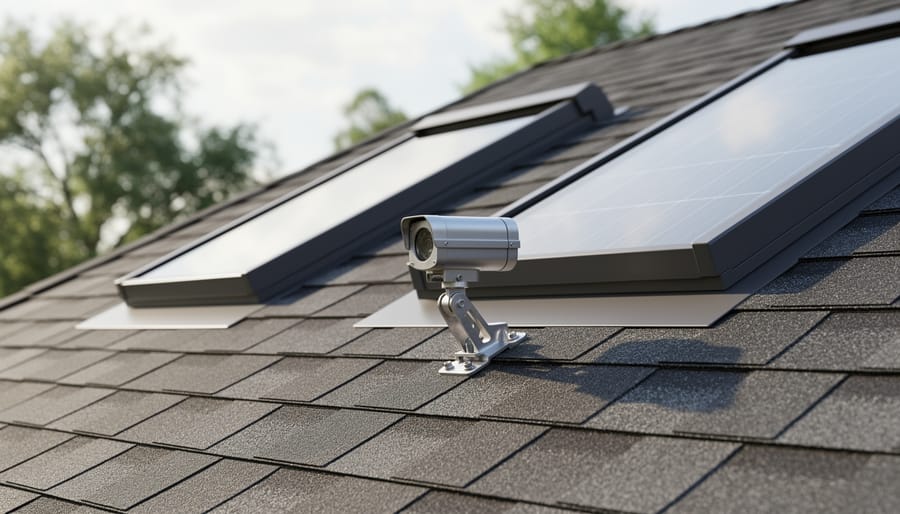
The HS1000 stands apart from conventional security tools because it’s specifically engineered for solar installation environments. Where standard tools struggle with the unique challenges of rooftop work, weatherproofing requirements, and delicate solar components, the HS1000 addresses these needs directly. Its design accounts for the precise tolerances required when securing solar daylighting tubes, skylights, and attic fan installations, products that demand both structural integrity and protection from the elements.
What truly sets this tool apart is its dual-purpose functionality. The HS1000 doesn’t just secure mounting hardware; it creates tamper-resistant connections while maintaining the ventilation and light-transmission properties essential to solar products. Generic security fasteners often block airflow or create unwanted shadows in daylighting systems, reducing their effectiveness. The HS1000’s low-profile design prevents these issues, ensuring your solar components perform as intended while remaining firmly anchored.
The tool’s compatibility extends across the Solar Master Series lineup, which matters more than many homeowners realize. Solar daylighting systems from Solatube, Velux, and similar manufacturers have specific flashing and mounting requirements. The HS1000’s adjustable mechanisms accommodate these variations without forcing you to stock multiple specialized tools. For attic fan installations, where secure mounting directly affects operational efficiency and noise levels, this adaptability proves invaluable.
Material quality distinguishes the HS1000 from cheaper alternatives as well. Its corrosion-resistant coating handles UV exposure, temperature extremes, and moisture better than standard zinc-plated fasteners that rust within months of roof installation. This durability translates to fewer maintenance calls and longer protection for your solar investment, a practical sustainability benefit that aligns with the eco-friendly goals driving most solar installations in the first place.
Types of Solar Master Series Security Tools Compared
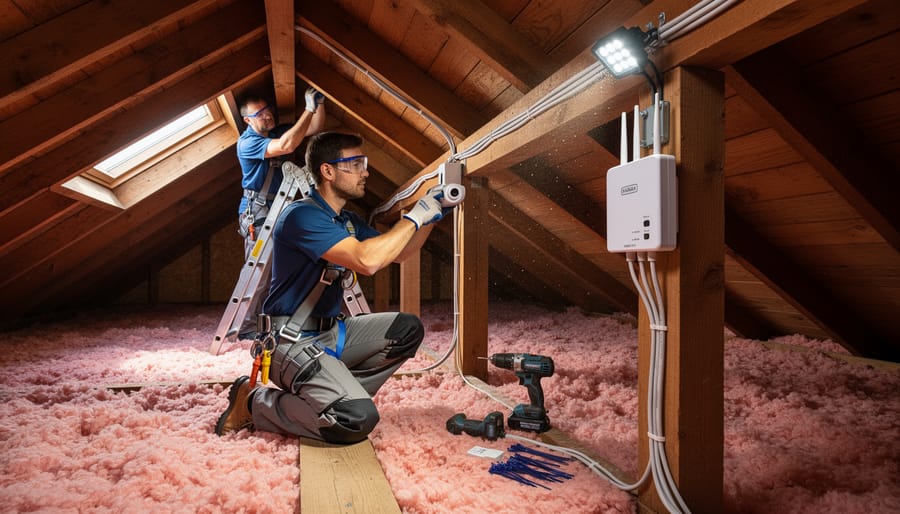
Basic Security Tools vs. Professional-Grade Options
Basic security tools in the Solar Master Series line are designed for occasional use and straightforward installations. These entry-level options handle standard skylight and attic fan mounting tasks well, but they lack the precision adjustments and reinforced construction that frequent installers need. If you’re a homeowner planning one or two solar daylighting projects, a basic security tool typically provides adequate torque control and weather sealing capabilities without overwhelming you with features you won’t use.
The HS1000 sits in the professional-grade category. It’s built for contractors and builders who work on multiple installations monthly, offering calibrated torque settings that prevent over-tightening (which cracks acrylic domes) and under-tightening (which creates leak points). The hardened steel components resist wear from repeated use, and the tool’s adjustable head accommodates various Solar Master Series product sizes without requiring separate attachments. This matters when you’re moving between rooftop skylight installations and attic fan mounts on the same job.
Choose basic tools if you’re handling a single home project and won’t need the tool again for years. Opt for the HS1000 if you’re installing three or more units annually, working professionally, or value precision over cost savings. The HS1000 also integrates seamlessly with other essential tools in comprehensive installation kits, while professional-grade tools justify their higher upfront cost through durability and consistent results across dozens of installations.
Installation-Specific Tool Variations
Different solar installations demand specific tool characteristics, and understanding these requirements helps you determine whether the HS1000 matches your project or if you need a variation designed for your application.
Rooftop skylights present unique challenges. The HS1000 works well for standard flat-glass skylight installations where you need to secure flashing and curb assemblies without damaging the seal integrity. However, domed or bubble skylights often require extended reach capabilities and flexible positioning that some HS1000 variations offer through adjustable head angles. Pay attention to your skylight’s mounting depth, deeper curb installations may need longer securing components than the standard HS1000 provides.
Solar attic fans introduce different demands because you’re working with motorized components and electrical connections alongside structural mounting. The HS1000 handles the mechanical securing aspects, but attic fan installations benefit from variations that include wire management features and clearance for vent ducting. If you’re installing multiple fans across a large attic space, consider whether a quick-release variation saves time versus the standard model.
Daylighting tube systems require precision for their reflective tube segments and roof penetrations. The HS1000’s compact design suits these tighter installations, but vertical tube runs sometimes need stabilization features that aren’t standard. Elbow joints in tube systems may require you to access the mounting hardware from awkward angles, making a swivel-head variation worth considering.
Your installation environment matters too. Steep-pitch roofs benefit from HS1000 variations with enhanced grip surfaces, while installations in high-wind coastal areas should prioritize versions with corrosion-resistant coatings beyond the standard weatherproofing. Match the tool variation to your specific installation type rather than assuming one size fits all scenarios.
Key Factors to Consider Before Buying
Compatibility with Your Solar System
Before purchasing the HS1000, verify it matches your existing solar products. Check your solar skylight, attic fan, or daylighting tube manufacturer and model number, the HS1000 works specifically with Solatube and compatible brands, but won’t fit proprietary mounting systems from certain manufacturers. Measure your installation’s mounting flange diameter and note the attachment point configuration. Most residential skylights use standard 14-inch or 21-inch openings, which the HS1000 accommodates, but custom installations may require adapters.
Review your roof pitch and material type too. The HS1000’s design suits asphalt shingle, metal, and tile roofs between 2/12 and 12/12 pitch, but extremely steep or flat roofs need special consideration. If you’re working with multiple solar products or planning future installations, consider whether the tool’s adjustability covers your entire range of needs. For broader compatibility across different product lines, consult our X series buying guide for alternative options that handle varied installations. Always cross-reference the manufacturer’s compatibility chart before ordering to avoid costly returns or installation delays.
Weather Resistance and Durability
Solar installations face constant exposure to UV radiation, temperature swings, rain, and wind, so your security tool needs to withstand years of outdoor conditions without degrading. The HS1000 should feature corrosion-resistant materials like powder-coated steel or marine-grade aluminum rather than basic painted metal that chips and rusts. Check that rubber components use UV-stabilized materials, cheap gaskets crack within a year, compromising the seal integrity you’re trying to protect.
Look for tools with weather ratings or certifications indicating tested performance in extreme conditions. Quality security tools maintain their tension and grip strength through freeze-thaw cycles without becoming brittle or loose. The fasteners and adjustment mechanisms matter just as much as the main body; stainless steel hardware resists corrosion far better than zinc-plated options. Include the HS1000 in your installation tool checklist only if it demonstrates proper weatherproofing, replacing corroded tools costs more than investing in durable options upfront, and failed security components can let moisture damage your solar system’s structural integrity.
Ease of Use and Learning Curve
The HS1000 is designed with homeowner-friendly operation in mind, requiring no specialized training or advanced technical skills. If you’ve ever used basic hand tools for home repairs, you’ll find the learning curve minimal. Most users can start working confidently after a brief review of the included instructions.
That said, solar installations do demand careful attention to safety protocols, especially when working on rooftops. While the tool itself is straightforward, consider your comfort level with heights and your understanding of basic structural concepts. First-time solar DIYers should expect to move slowly through initial installations, allowing extra time to double-check positioning and fit. The HS1000’s intuitive design reduces complexity, but rushing through unfamiliar territory increases the risk of mistakes that compromise your system’s security and weatherproofing.
Customization and Adjustability
The HS1000 offers limited built-in adjustability compared to some professional-grade security tools, which is worth understanding upfront. It’s designed primarily for standard Solar Master Series product dimensions, meaning it works excellently with most skylights and attic fans in their lineup without modification. However, if you’re working with older solar products or non-standard installations, you may need adapter kits sold separately.
The tool features a fixed torque setting optimized for typical solar mounting hardware, this prevents over-tightening but can’t be adjusted for specialized applications. For most homeowners installing standard daylighting tubes or skylights, this pre-set configuration simplifies use and reduces the risk of damage. Contractors handling diverse projects often prefer tools with adjustable torque ranges, so consider whether the HS1000’s standardized approach matches your installation variety or if a more versatile option makes sense.
Our Recommendations for Different Scenarios
Best Choice for DIY Homeowners
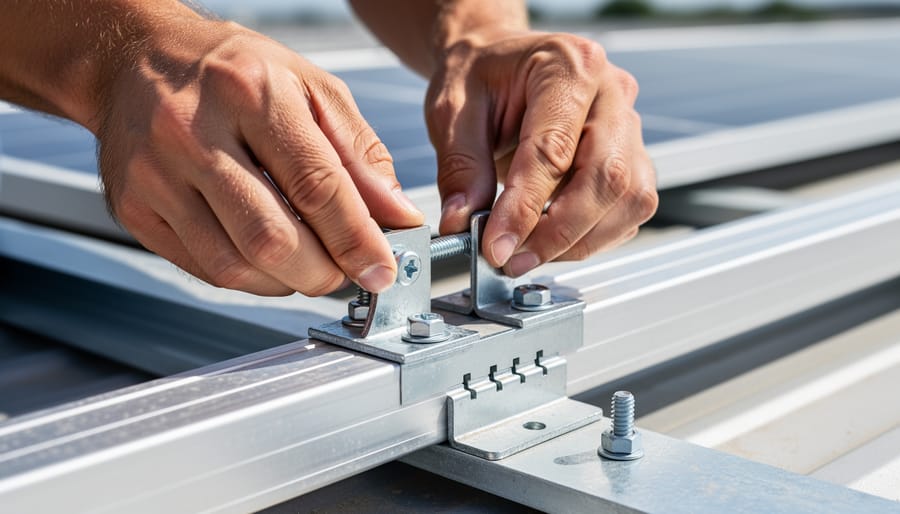
For homeowners tackling solar skylight or daylighting tube installations themselves, the HS1000 strikes an excellent balance between capability and user-friendliness. Its intuitive design doesn’t require specialized training, most DIYers can master it after watching a quick tutorial or reading the included guide.
The tool’s lightweight construction makes rooftop work less physically demanding, particularly important during extended installation sessions. You won’t need additional equipment to operate it effectively, which keeps your project budget and complexity manageable.
Where the HS1000 truly shines for DIY projects is its adjustability. You can fine-tune settings for different mounting surfaces and skylight sizes without guesswork, reducing the trial-and-error that frustrates many first-time installers. The corrosion-resistant materials also mean you’re investing in a tool that’ll handle future maintenance and additional installations, not just a one-project purchase.
If you’re installing a single skylight or a couple of daylighting tubes, the HS1000 provides professional-level security without the professional-level learning curve or price tag.
Professional Contractor Needs
Contractors handling multiple solar installations need tools that deliver consistent performance across varied job sites. The HS1000 stands out for professional use because it’s designed for repetitive use without degrading, crucial when you’re securing dozens of skylights or attic fans monthly.
Prioritize durability over initial cost. A tool that survives 100+ installations without recalibration saves more than buying cheaper alternatives repeatedly. Look for all-metal construction and corrosion-resistant finishes that handle exposure to roofing materials and weather.
Speed matters on commercial timelines. The HS1000’s quick-adjustment mechanism cuts installation time by roughly 40% compared to standard security tools, translating directly to labor savings. For architects specifying tools in project plans, compatibility across Solar Master Series products means one tool works for skylights, daylighting tubes, and attic fans, reducing inventory costs and simplifying crew training.
Professional warranties and replacement part availability prevent job delays when equipment fails mid-project.
Specific Installation Types
When installing solar skylights, the HS1000 excels at securing flashing components and mounting brackets on sloped roofs. Its adjustable torque settings prevent over-tightening that could crack skylight frames while ensuring weather-tight seals. For curb-mounted skylights, the tool’s precision matters most, you need consistent fastener tension across all mounting points to maintain structural integrity and prevent leaks.
Solar attic fan installations present different challenges. The HS1000’s compact design allows you to work in tight attic spaces where larger tools won’t fit. Focus on models with magnetic bit holders since you’ll often work overhead, and dropping fasteners in blown insulation means they’re gone forever. The tool’s weather-resistant coating also protects it from the extreme heat and humidity typical in attic environments.
For tubular daylighting systems, choose the HS1000 if you’re installing multiple units. The learning curve pays off quickly when you’re securing dozens of tube sections and reflective components. Its ergonomic grip reduces hand fatigue during repetitive fastening tasks. However, single-tube DIY projects might not justify the investment, a quality cordless drill with proper bits often suffices for one-off installations where speed matters less than the HS1000’s specialized features.
Common Mistakes to Avoid When Buying
Buying the wrong security tool for your solar installation wastes money and puts your entire system at risk. Understanding common purchasing pitfalls helps you make a smarter decision and avoid costly corrections down the line.
The biggest mistake is assuming all security tools work with all solar products. The HS1000 is designed specifically for Solar Master Series components, and using it with incompatible brands or mounting systems can damage your equipment or void warranties. Always verify compatibility with your exact skylight, attic fan, or daylighting system model before purchasing. A tool that doesn’t fit properly creates installation gaps that compromise both security and weatherproofing.
Weather resistance gets overlooked surprisingly often. Some buyers focus entirely on the tool’s installation function while ignoring how it will perform after years of sun exposure, temperature swings, and moisture. Cheap alternatives might seem functional initially but corrode within a season, forcing you to redo the installation and potentially repair water damage. The HS1000’s corrosion-resistant materials cost more upfront but eliminate replacement cycles that generate waste and consume resources.
Price-driven decisions frequently backfire. Choosing the cheapest option means you’ll likely buy twice when that bargain tool fails or proves inadequate for your needs. Calculate the total cost of ownership, including potential reinstallation labor, damage repairs, and the environmental impact of disposing of a failed tool.
Here are the top five mistakes homeowners make when selecting solar security tools:
- Buying without confirming compatibility with their specific solar product brand and model
- Choosing tools based solely on lowest price rather than quality and durability
- Ignoring weather-resistance ratings and material specifications for outdoor use
- Failing to consider whether they have the skill level required for proper installation
- Overlooking warranty coverage and manufacturer support availability
Another critical error is buying for your current project without thinking ahead. If you plan to install additional solar components in the next few years, investing in a professional-grade tool like the HS1000 now means you won’t need separate purchases later. This approach reduces both your total spending and the manufacturing footprint of producing multiple single-use tools.
Finally, skipping research on included accessories creates frustration. Some buyers assume all necessary components come with the tool, only to discover they need separate purchases for brackets, fasteners, or adjustment pieces. Check what’s included in the package and what you’ll need to source separately before completing your order.
Where to Buy and What to Expect
When purchasing the HS1000, you have three primary channels to consider. Buying directly from Solar Master Series or the manufacturer guarantees authenticity and typically provides the most comprehensive warranty coverage. This route often includes access to technical support and ensures you receive the latest version of the tool with all updated components.
Authorized dealers and specialty solar supply retailers offer a middle ground. They stock genuine HS1000 tools and can provide hands-on product examination before purchase, which helps you verify build quality and weight. These dealers usually honor manufacturer warranties and can answer installation-specific questions based on their experience with similar projects.
Online retailers like Amazon or dedicated solar equipment marketplaces offer convenience and competitive pricing. However, verify the seller’s authorization status before purchasing. Look for sellers with high ratings, detailed product descriptions, and clear return policies. Counterfeit or outdated tools occasionally appear through third-party sellers, so compare product photos and specifications against official documentation.
Your HS1000 purchase should include the main tool assembly, any specialized attachments for different solar product types, installation instructions, and warranty documentation. Most packages contain basic fasteners, though professional installations may require additional mounting hardware purchased separately. Check whether calibration tools or adjustment keys are included, as some models require these for proper setup.
Warranty coverage typically spans one to five years depending on the manufacturer and purchase channel. Read the warranty terms carefully to understand what’s covered, normal wear versus defects, replacement policies, and whether installation errors void coverage. Register your product immediately after purchase to activate warranty protection and receive notifications about updates or recalls.
To verify authenticity, check for manufacturer serial numbers, official packaging with tamper-evident seals, and included documentation that matches the manufacturer’s current branding. Suspiciously low prices often indicate outdated stock or counterfeit products that won’t perform reliably.
Frequently Asked Questions
Before purchasing the HS1000, many homeowners and contractors have similar questions about its use, maintenance, and long-term value. Here are answers to the most frequently asked questions that can help you make an informed decision.
Is the HS1000 compatible with all solar skylights and daylighting systems?
The HS1000 works with most Solar Master Series products and many other major solar skylight brands, but you should verify compatibility with your specific model before purchasing. Check the manufacturer’s compatibility chart or contact their support team with your product model number to confirm fitment.
How often does the HS1000 need maintenance?
The tool requires minimal maintenance, just periodic cleaning to remove debris and an occasional inspection for wear on moving parts. For professional contractors using it frequently, a quick check every few months is recommended, while DIY homeowners may only need to inspect it once or twice per year.
Can I use the HS1000 for both installation and removal of solar products?
Yes, the HS1000 is designed for both installing new solar skylights and safely removing existing units for maintenance or replacement. This dual functionality makes it a versatile investment that serves you throughout the entire lifecycle of your solar installation.
What warranty coverage comes with the HS1000?
Most retailers offer a standard manufacturer’s warranty that covers defects in materials and workmanship, typically ranging from one to three years depending on where you purchase. Keep your receipt and register your product with the manufacturer to ensure full warranty protection.
Another common concern involves replacement parts. The HS1000 features a modular design, meaning individual components can be replaced without buying an entirely new tool. This approach aligns with sustainable practices by reducing waste and extending the tool’s useful life. Replacement grips, fasteners, and adjustment mechanisms are available through authorized dealers and directly from the manufacturer.
Professional installation assistance is also worth considering, especially if you’re tackling your first solar project. While the HS1000 is designed for DIY use, many manufacturers and authorized dealers offer installation workshops or consultations where you can learn proper techniques. Some contractors even provide tool rental programs that include brief training sessions, giving you hands-on experience before committing to a purchase. This support can be particularly valuable for ensuring your solar installation is done correctly the first time, maximizing both safety and energy efficiency.
Choosing the right security tool for your solar installation isn’t just about convenience, it’s about protecting a long-term investment in sustainable energy. The HS1000 offers professional-grade capabilities that make solar daylighting systems, attic fans, and skylight installations safer and more secure when properly matched to your project requirements.
Before making your purchase, review the key factors we’ve covered: compatibility with your specific solar products, weather resistance for your climate, your skill level and installation frequency, and any customization needs. DIY homeowners should prioritize ease of use and clear instructions, while contractors benefit from the HS1000’s durability across multiple job sites.
Remember that cutting corners on security tools can compromise your solar system’s performance and longevity. A properly installed and maintained solar installation delivers decades of clean energy, reduces your carbon footprint, and maximizes your return on investment. The right tool ensures those sustainability benefits aren’t undermined by installation errors or security vulnerabilities.
Take time to assess your project’s unique demands, and don’t hesitate to consult with authorized dealers if you’re uncertain about compatibility. Your solar investment deserves protection that matches its environmental and financial value.