
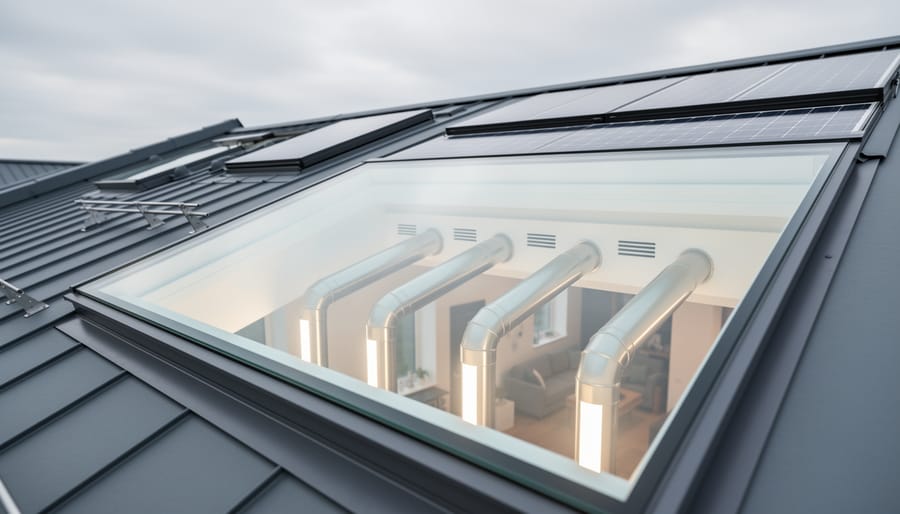
The six systems in solar daylighting and ventilation work together to bring natural light and fresh air into your building while maximizing energy efficiency and comfort. Each system serves a distinct purpose, from the primary system that captures sunlight through specialized skylights and light tubes, to secondary sources that enhance distribution and control. Understanding how these components integrate helps you make informed decisions about which configuration best suits your home or commercial project.
Solar daylighting technology has evolved significantly, allowing property owners to reduce electricity costs while creating healthier indoor environments. The six-system framework breaks down what might seem like a complex installation into manageable, understandable parts. You’ll find systems dedicated to light collection, diffusion, thermal management, ventilation, moisture control, and automated controls.
What makes this approach powerful is the customization potential. Not every building needs all six systems operating at full capacity. A residential installation might prioritize natural light distribution and basic ventilation, while a commercial warehouse could focus on thermal management and automated controls for large-scale efficiency. The modular nature means you can start with essential systems and expand over time as needs change or budgets allow.
By grasping how each system functions independently and collaboratively, you’re better equipped to work with contractors, specify the right products, and achieve the sustainability goals that drove your interest in solar solutions from the start.
The Solar Collection System: Capturing Energy All Day Long
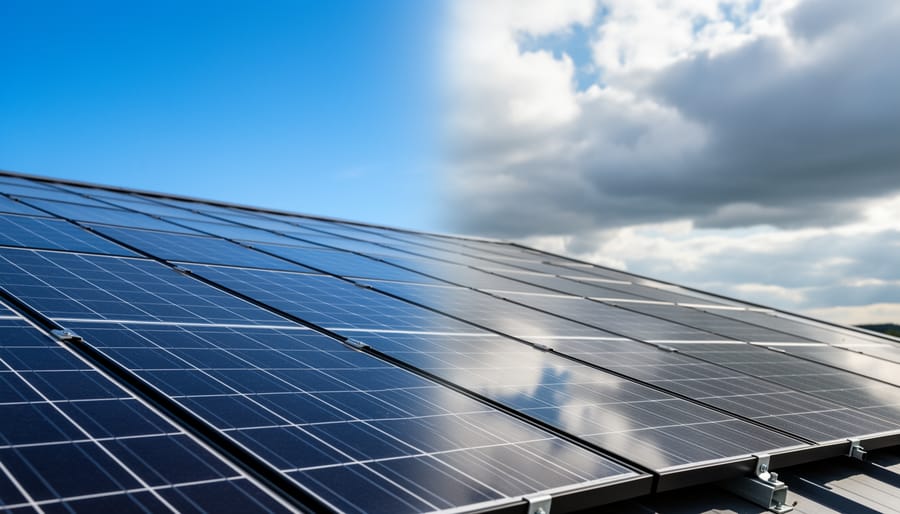
The solar collection system sits at the heart of every solar skylight and ventilation product. Without this foundation, none of the other systems can function. Modern solar collectors use photovoltaic cells to convert sunlight directly into electrical energy that powers fans, sensors, and controls throughout the day.
Panel placement makes all the difference in collection efficiency. Manufacturers design solar collectors to mount flush with your roofline, angling them to capture maximum sunlight based on your home’s orientation. South-facing installations in the Northern Hemisphere typically generate the most energy, though east and west exposures also work well for extended morning and afternoon operation.
Today’s collection systems deliver impressive efficiency even when clouds roll in. While direct sunlight produces peak output, modern photovoltaic technology continues generating power under overcast skies at 10-25% of full capacity. This matters because your ventilation and daylighting systems keep working during typical weather rather than shutting down every time a cloud passes.
The size and wattage of solar collectors vary by product. A basic skylight might use a 5-10 watt panel, while a whole-house attic fan system could employ 20-40 watts or more. Higher wattage doesn’t always mean better performance, it just needs to match the power requirements of the connected systems. When comparing options like shingles vs panels consider that integrated collection systems eliminate the need for separate electrical wiring and reduce installation costs.
This self-sufficient approach means your solar daylighting and ventilation products operate independently from your home’s electrical grid, cutting energy costs while reducing your carbon footprint.
The Light Distribution System: Getting Brightness Where You Need It
Once sunlight is captured, the real challenge begins: delivering that light deep into your home where you need it most. The light distribution system does exactly this, transforming raw sunlight into usable indoor illumination through carefully engineered optical components.
At the heart of most systems sits highly reflective tubing, typically made from specular aluminum or silver-coated materials, that channels light from the collection point on your roof down through attics and structural spaces. These tubes achieve reflectivity rates above 98%, meaning nearly all captured light reaches its destination rather than being absorbed or scattered along the way. The diameter matters too: larger tubes (14 inches versus 10 inches, for example) carry more light but require more installation space, while smaller tubes fit tight areas but deliver less lumens.
Where the tube terminates, diffuser technology takes over. Quality diffusers use prismatic lenses or frosted acrylic to scatter incoming light evenly across the room. This prevents harsh spotlighting directly beneath the fixture, a common complaint with poorly designed systems, and instead creates ambient illumination similar to what you’d expect from multiple traditional light sources. Some diffusers incorporate faceted designs that redirect light toward walls and ceilings, further enhancing the spread pattern.
Modern distribution systems also account for bends and angles. Adjustable elbows with internal reflective surfaces maintain light transmission efficiency even when navigating around rafters, HVAC ducts, or other obstacles between your roof and ceiling. This flexibility means you can bring natural light to hallways, closets, or interior bathrooms that would otherwise remain dark all day.
The result is consistent, shadow-free brightness throughout spaces that previously relied entirely on electric lighting, cutting daytime energy use while creating more pleasant living environments. The best distribution systems essentially become invisible infrastructure, noticed only through the quality of light they deliver.
The Ventilation and Airflow System: Keeping Air Moving Efficiently

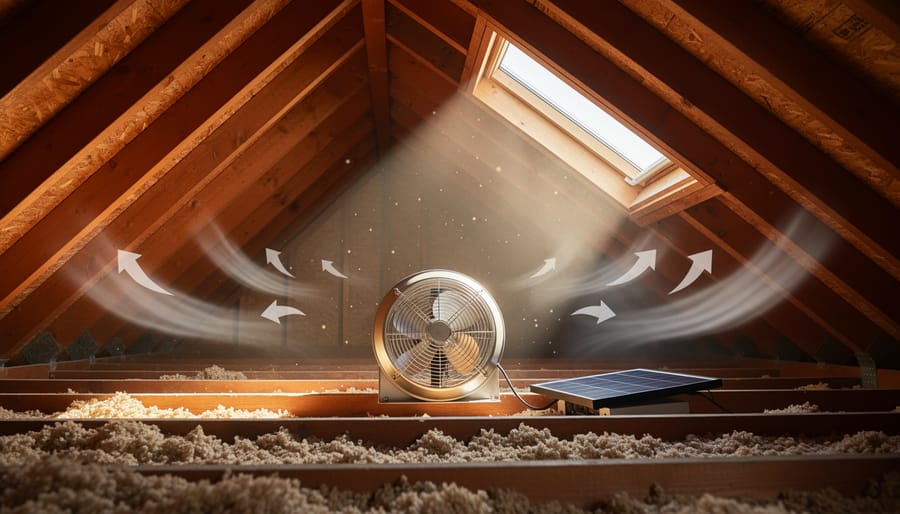
The ventilation and airflow system acts as the lungs of your solar skylight setup, continuously exchanging stale, hot air with fresh outdoor air. Unlike passive vents that depend on wind or temperature differences, solar-powered fans actively pull air through your attic or living space using energy harvested by the collection system. This constant circulation prevents heat buildup, reduces humidity, and creates a more comfortable indoor environment without drawing a single watt from your electrical grid.
At the core of this system is the fan’s CFM rating, which measures cubic feet per minute of airflow. A higher CFM means more air movement and faster heat removal. For most residential applications, you’ll want a fan that can exchange the full volume of your attic air 10 to 15 times per hour. A 1,500-square-foot attic with eight-foot ceilings contains about 12,000 cubic feet of air, so a fan rated at 1,200 to 1,800 CFM will cycle that air completely every six to ten minutes.
| Attic Size (sq ft) | Recommended CFM | Expected Temperature Reduction |
|---|---|---|
| 1,000 | 800-1,200 | 20-30°F |
| 1,500 | 1,200-1,800 | 25-35°F |
| 2,000 | 1,600-2,400 | 30-40°F |
| 2,500 | 2,000-3,000 | 30-40°F |
The airflow pattern matters as much as volume. Intake vents positioned low on the roof or in soffits draw cooler outdoor air, while the solar fan exhausts hot air from the ridge or gable. This creates a natural convection current that sweeps heat away from your roof deck and insulation. During summer, this circulation can drop attic temperatures by 30 degrees or more, which translates directly to lower cooling costs. Your air conditioner works less because your ceiling isn’t radiating heat downward.
Moisture removal is the often-overlooked benefit. Humid attics breed mold, rot wood framing, and degrade insulation performance. The ventilation system carries water vapor outside before condensation occurs, protecting your home’s structure and maintaining the thermal barrier’s effectiveness year after year.
The Thermal Management System: Controlling Heat Gain and Loss
The thermal management system acts as your skylight’s climate guardian, preventing unwanted heat from flooding in during summer while stopping precious warmth from escaping in winter. Without this system working properly, a solar skylight becomes a thermal liability rather than an asset, exactly what many homeowners fear when considering roof installations.
Modern solar skylights achieve thermal control through multiple layers of defense. The first line is low-emissivity (Low-E) glazing, which uses microscopic metallic coatings to reflect infrared heat while allowing visible light to pass through. Think of it as sunglasses for your home, blocking heat without dimming the brightness you want. In summer, Low-E coatings can reject up to 70% of solar heat gain while still delivering abundant natural light.
Insulation ratings tell the thermal performance story. R-values measure resistance to heat flow, and quality solar skylights typically achieve R-values between 2.5 and 7.5, depending on construction. Higher numbers mean better insulation. A standard skylight might rate R-2, while triple-pane units with argon gas fills reach R-7 or above. For context, that rivals the insulation value of many walls in older homes.
The dome or glazing itself often consists of multiple layers separated by air gaps or inert gas fills like argon or krypton. These gases insulate better than regular air because their molecules move more slowly, reducing heat transfer. Between the layers, thermal breaks, non-conductive materials, prevent heat from conducting through the frame, addressing a common weak point where metal components touch.
Around the edges, insulation collars and curb caps create a continuous thermal envelope that connects your skylight to the roof structure without creating cold spots. Properly installed, this perimeter seal prevents the thermal bridging that causes condensation, ice dams, and energy waste. The result: rooms stay 15-20°F cooler in peak summer without air conditioning working overtime, and winter heating bills drop as warmth stays where it belongs.
The Moisture and Weather Sealing System: Protection from the Elements
A solar skylight’s best defense against the elements starts with properly engineered flashing, the layered metal or composite barrier that integrates with your roof’s waterproofing. Quality flashing redirects water around the skylight curb rather than letting it pool against seams, which is why professional installers use specialized installation tools to create watertight seals that match your roof’s pitch and material.
Beyond the flashing, multiple layers of gaskets and seals protect every penetration point. EPDM rubber gaskets compress around the glazing frame to block wind-driven rain, while silicone seals fill gaps between the curb and roofing substrate. These components work together as a weatherproofing system, not as isolated parts, so degradation in one area won’t immediately compromise the whole assembly.
Drainage channels built into the skylight curb direct any moisture that does reach the assembly back to the roof surface before it can enter the attic. Look for units with weep holes at the lowest corner of each side, these small openings let condensation and minor water intrusion escape rather than accumulating inside the frame. In heavy rain or snow melt, this drainage feature prevents the pressure buildup that can force water past even intact seals.
Most manufacturers back their moisture protection with 10-year warranties on flashing and seals, though the skylight itself often carries longer coverage. The difference reflects real-world durability: UV exposure and temperature cycling gradually harden rubber components, which is why inspecting seals every five years catches problems before leaks develop. Replacing gaskets costs far less than repairing water-damaged ceilings or insulation, making this preventive maintenance one of the smartest investments in your solar skylight’s longevity.
The Control and Integration System: Smart Features for Modern Homes
The control and integration system turns individual components into a coordinated network that responds to real-world conditions without constant manual adjustment. Basic controls include on-off switches and manual dampers, but modern systems offer sensors that detect temperature, light levels, and humidity to trigger automatic responses. A temperature sensor in your attic might activate ventilation when heat builds up, while a light sensor can modulate airflow based on solar intensity throughout the day.
Thermostats designed for solar ventilation systems differ from standard HVAC controls because they prioritize natural airflow over mechanical heating and cooling. These dedicated thermostats let you set temperature thresholds that trigger fan operation, ensuring your attic stays within optimal ranges without wasting stored solar energy. Some models include differential settings that compare indoor and outdoor temperatures, running ventilation only when it actually benefits your home’s climate.
Smart home integration takes automation further by connecting your solar systems to platforms like Google Home, Amazon Alexa, or Apple HomeKit.
This connectivity lets you monitor performance from your phone, create custom schedules that align with your routine, and link solar operation to other home systems. For example, you can program ventilation to increase during high-electricity-rate hours or coordinate with your HVAC to reduce mechanical cooling when natural ventilation can handle the load.
Customization options vary by product line and household priorities. Families with varying schedules might prioritize flexible timer settings, while energy-conscious homeowners often focus on integration with consumption monitors. Manual override capabilities ensure you maintain control when automatic settings don’t match immediate needs, and zone-based controls let you manage different areas independently if you have multiple units installed.
Understanding these six systems transforms how you think about solar skylights and ventilation products. They’re not separate components competing for attention, they work as an integrated network where each system enhances the others. The solar collection powers the ventilation, while thermal management protects the light distribution. Weather sealing preserves all systems, and smart controls optimize everything based on your actual needs.
This integration delivers compound benefits. Better ventilation reduces cooling costs while thermal barriers cut heating expenses. Natural light cuts electricity use during daylight hours. Together, these systems can dramatically lower your home’s energy consumption and environmental footprint.
Your specific priorities shape which systems deserve extra attention. Live in a humid climate? Focus on ventilation capacity and moisture sealing. Northern homeowner concerned about winter heat loss? Prioritize thermal management features and R-values. Want automation and convenience? Explore the control options that match your lifestyle.
The beauty of modern solar daylighting solutions lies in their customization. You can optimize each system for your home’s architecture, local climate, and personal preferences. Some homeowners prioritize maximum light output, others focus on year-round temperature control, and many want the perfect balance of both.
Start by identifying your biggest challenge, excessive attic heat, dark interior spaces, high energy bills, or poor air circulation. Then explore how these six systems can work together to solve it while delivering benefits you hadn’t even considered.